
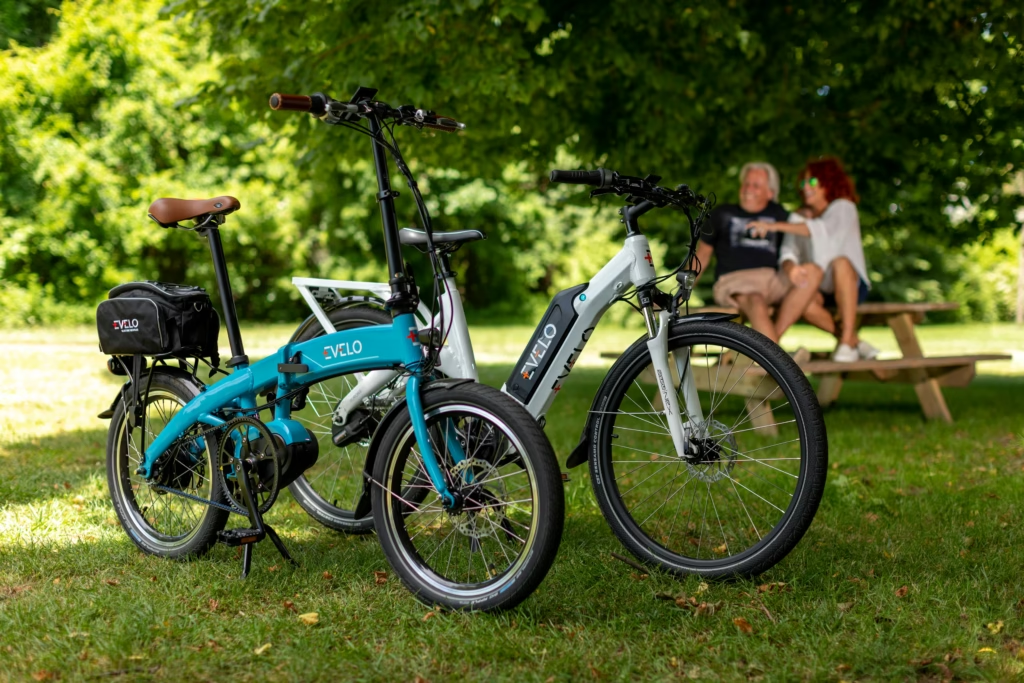
Electric bicycles (e-bikes) have become incredibly popular, offering a sustainable and efficient way to commute, exercise, and enjoy rides. Despite their growing popularity, many myths and misconceptions about e-bikes still exist. In this article, we'll debunk some of the most common myths and provide clarity.
Мит 1: Заблудата, че е-велосипедите са като мотоциклети
Факт: Макар че е-велосипедите имат мотор, те се различават фундаментално от мотоциклетите. Повечето е-велосипеди във Великобритания са с педален асистент, което означава, че моторът осигурява подкрепа само когато въртите педалите. Те все още изискват усилие и са законно класифицирани като велосипеди, а не като моторни превозни средства.
Key differences:
- E-bikes are typically limited to a maximum speed of 25 km/h, after which the motor stops providing assistance (according to UK regulations).
- For standard e-bikes, you do not need a driver's license, insurance, or registration.
- Cyclists still get exercise because pedaling is required.
Myth 2: The E-bike 'Cheating' Myth
Riding an e-bike isn't cheating—it's smart cycling. E-bikes allow people of all fitness levels to enjoy cycling, travel longer distances, and conquer steep hills without exhaustion.
Who benefits the most?
- Commuters who want to avoid arriving sweaty.
- Older cyclists and people with mobility issues who need a little extra help.
- Cyclists looking for longer rides without excessive fatigue.
E-bikes don't replace effort; they enhance the experience!
Myth 3: E-bikes – The Environmental Misconception
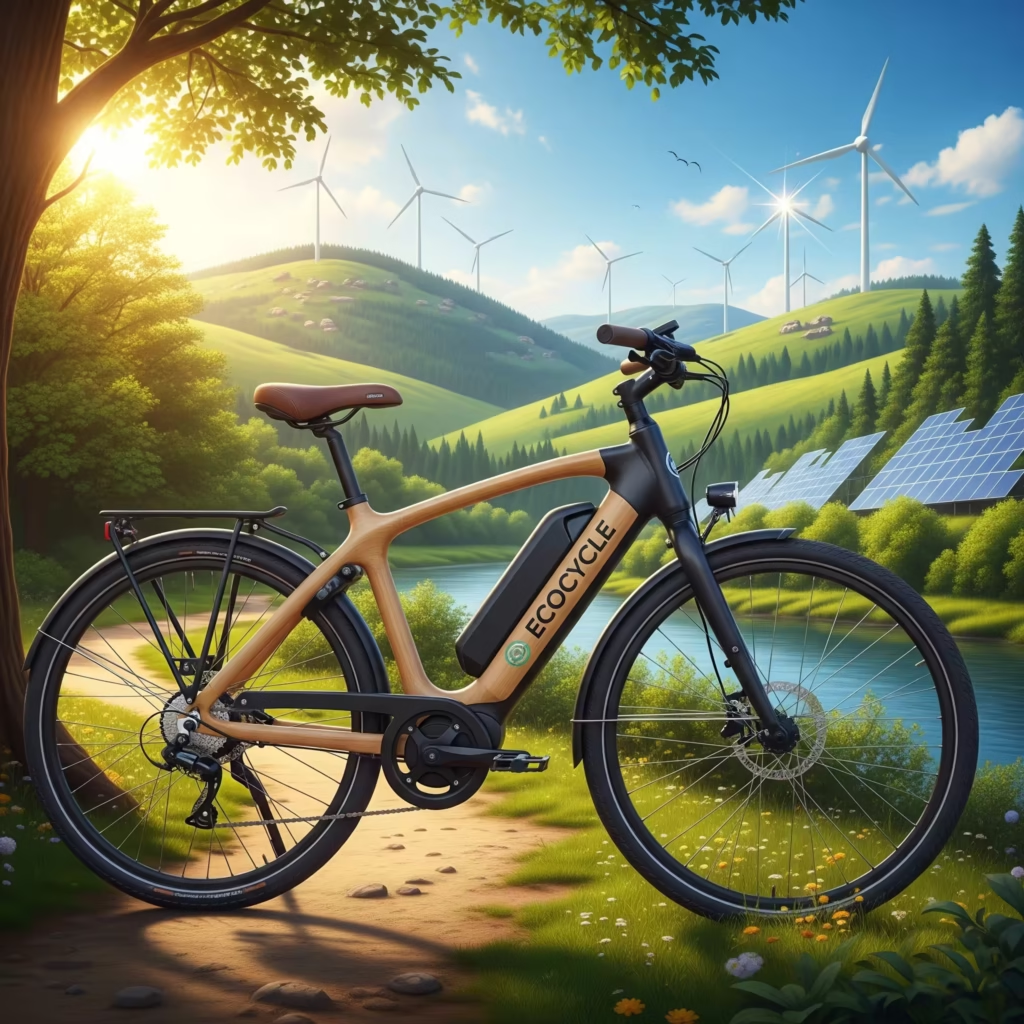
Fact: E-bikes are one of the most environmentally friendly transportation options. Compared to cars, buses, and motorcycles, e-bikes have an extremely small carbon footprint.
🌍 Екологични ползи от е-велосипедите:
| Comparison | CO₂ emissions (per km) |
| Gasoline car | 120-200 grams CO₂ |
| Bus | 80-120 grams CO₂ |
| Electric car | 20-50 grams CO₂ |
| Electric bike | 5-15 grams CO₂ |
Charging an e-bike battery takes the same amount of energy as boiling an electric kettle for a few minutes, making it an extremely energy-efficient alternative.
Myth 4: The High Cost of E-bikes Myth
Fact: While e-bikes have a higher initial cost than traditional bicycles, they save you money in the long run.
Cost Savings Over Time
- No gasoline or diesel costs
- No expensive insurance or yearly technical checks
- Minimal maintenance expenses compared to automobiles
A good e-bike for commuting can cost between 1,000 and 3,500 leva, but compared to the annual costs of owning a car, that's a bargain!
Myth 5: E-bike Battery Life Misconceptions
Fact: Modern lithium-ion e-bike batteries are designed to last for thousands of charging cycles.
How long do they last?
- Most e-bike batteries can last up to 5-6 years with proper care.
- The one charge range can vary from 30 to 160 km depending on terrain and assistance level.
- Proper charging habits (avoiding a full discharge) can significantly extend the battery's life.
As battery technology advances, range and durability continue to improve.
Myth 6: E-bike weigh is another common myth
Fact: Although e-bikes are heavier than regular bikes due to the motor and battery, the extra weight is offset by the motor's assistance.
Weight vs. Assistance:
- A standard electric bike weights 20-30 kg (as opposed to 10 -15 kg normal bike)
- The engine compensates for this making hills and long rides easier not harder.
- Newer, lighter e-bikes are now available for those who want a sleeker ride.
Many cyclists are finding out that the extra weight improves road stability.
Conclusion: The truth about the myths
E-bikes are a game-changer for commuting, fitness, and sustainable transportation. We hope this information helped you debunk the most common electric bicycle myths and feel more confident in your choice. Don't let outdated misconceptions stop you from experiencing the benefits of an e-bike.